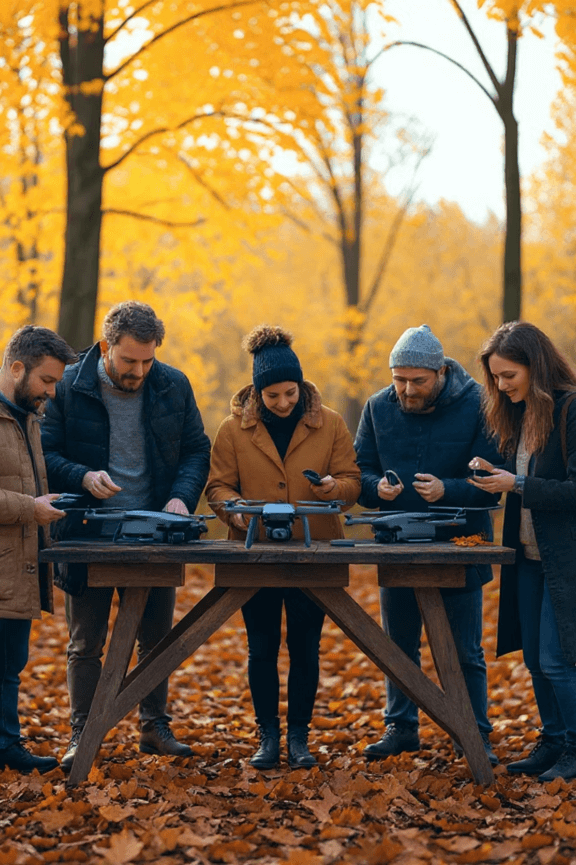
Expert reviews, beginner guides, and honest recommendations to help you navigate the exciting world of drones. Join our community of drone enthusiasts and start your journey today.
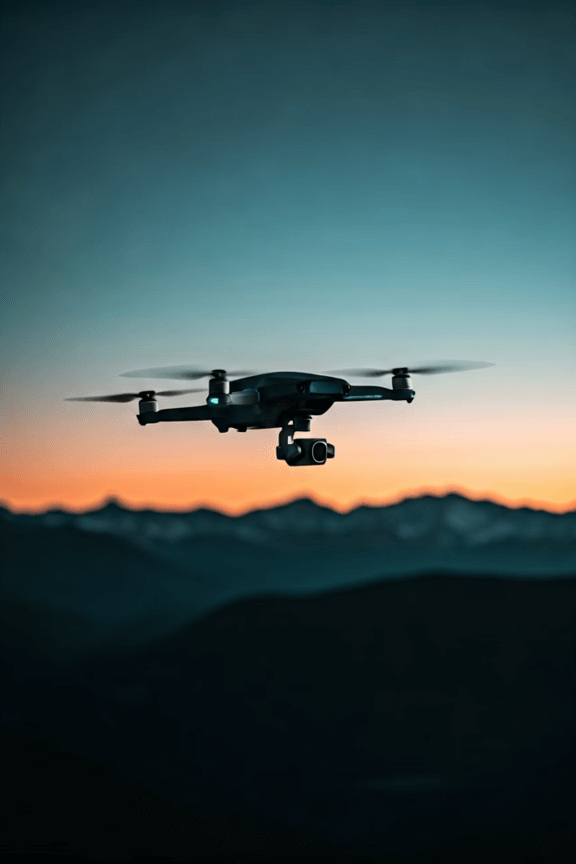
The ideal starter drone should be lightweight enough for easy transportation but durable enough to withstand inevitable crashes as you learn. Look for models with propeller guards and sturdy construction.
Modern starter drones feature intuitive controllers and companion apps that make learning to fly accessible. Many include hover assistance and one-touch landing to build confidence.
Even budget-friendly beginner drones now offer impressive flight times of 15-30 minutes. We recommend carrying spare batteries to extend your practice sessions without long recharge waits.
Look for obstacle avoidance, automatic return-to-home, and geofencing capabilities to prevent flyaways and crashes while you develop your piloting skills.
Starting at $150-300, these drones offer 720p-1080p video quality with basic stabilization. Perfect for beginners looking to experiment with aerial photography without a significant investment
In the $300-700 range, these drones feature improved 2.7K-4K cameras with better stabilization systems for smoother footage. Ideal for enthusiasts who want quality results.
Starting at $700+, professional drones offer superior 4K-8K cameras with advanced gimbal stabilization. These are designed for serious photographers and videographers
Consider why you want a drone. Are you interested in aerial photography, racing, or simply recreational flying? Your primary purpose will guide your selection toward camera drones, racing drones, or simpler models designed for learning.
Quality starter drones range from $100-$500. While it's tempting to go cheap for your first drone, investing in a slightly more expensive model with better stability and features often provides a better learning experience.
In the US, drones weighing over 0.55 pounds (250g) must be registered with the FAA. Factor these regulations into your purchase decision, as some lightweight models may exempt you from registration requirements.
Beyond the initial purchase, budget for extra batteries ($20-50 each), propeller replacements ($10-20 per set), carrying cases ($30- 100), and potentially drone insurance for more expensive models
All drones weighing between 0.55 lbs (250g) and 55 lbs must be registered with the FAA. Registration costs $5 and is valid for 3 years. You'll receive a registration number that must be displayed on your drone
Recreational drones must stay below 400 feet, within visual line of sight, and away from airports, emergency operations, and restricted airspace. The B4UFLY app provides real-time information about where you can legally fly.
All recreational drone pilots in the US must pass the free online The Recreational UAS Safety Test (TRUST) and carry their certificate when flying. This simple test covers basic safety rules and regulations
If you plan to make money from your drone activities, you must obtain a Part 107 Remote Pilot Certificate, which requires passing an aeronautical knowledge test at an FAAapproved testing center
Before your first flight, familiarize yourself with the controller's functions. The left stick controls altitude and rotation, while the right stick handles forward/backward and left/right movement. Practice holding the controller comfortably.
Choose a wide open area away from people, buildings, and obstacles. Avoid flying on windy days until you've developed better control skills. An empty field or large park makes an ideal practice location.
Begin with simple hovering at eye level, then practice moving in single directions4forward, backward, left, and right. Once comfortable, attempt gentle turns and gradual altitude changes. Keep movements slow and deliberate.
Practice emergency procedures like the automatic return-to-home function. Know how to perform a controlled landing if your battery gets low. Always maintain visual contact with your drone during flight
For recreational flying in the US, you don’t need a license but must complete the free TRUST certification. All drones weighing over
250g must be registered with the FAA ($5 fee, valid for 3 years). For commercial operations, you need a Part 107 Remote Pilot
Certificate.
For complete beginners, we recommend spending between $100-$300 on your first drone. This price range offers decent quality
without significant financial risk as you learn. Once you’ve mastered basic flying skills, you can consider upgrading to a more
advanced model in the $500+ range.
Most modern consumer drones have flight times between 15-30 minutes per battery. Professional models might reach 40 minutes.
Factors affecting battery life include wind conditions, flying style, and temperature. We recommend purchasing at least one extra
battery to extend your flying sessions.
Most consumer drones are not waterproof and should not be flown in precipitation. Even moisture-resistant drones can suffer
electronic damage from water exposure. Additionally, rain and snow reduce visibility and can interfere with sensors. Always check
weather conditions before flying.
Before your first flight, familiarize yourself with the controller's functions. The left stick controls altitude and rotation, while the right stick handles forward/backward and left/right movement. Practice holding the controller comfortably.
Learn from our practical, step-by-step tutorials created specifically for new pilots looking to improve their skills.
Get answers to your drone questions from our active community members and dedicated forum discussions